
About All Tours Boat ToursKauai Helicopter ToursSnorkel ToursCatamaran Cruise ToursZodiac Raft ToursCave ToursSunset Tours Directions Hours & Fees
Find Tours 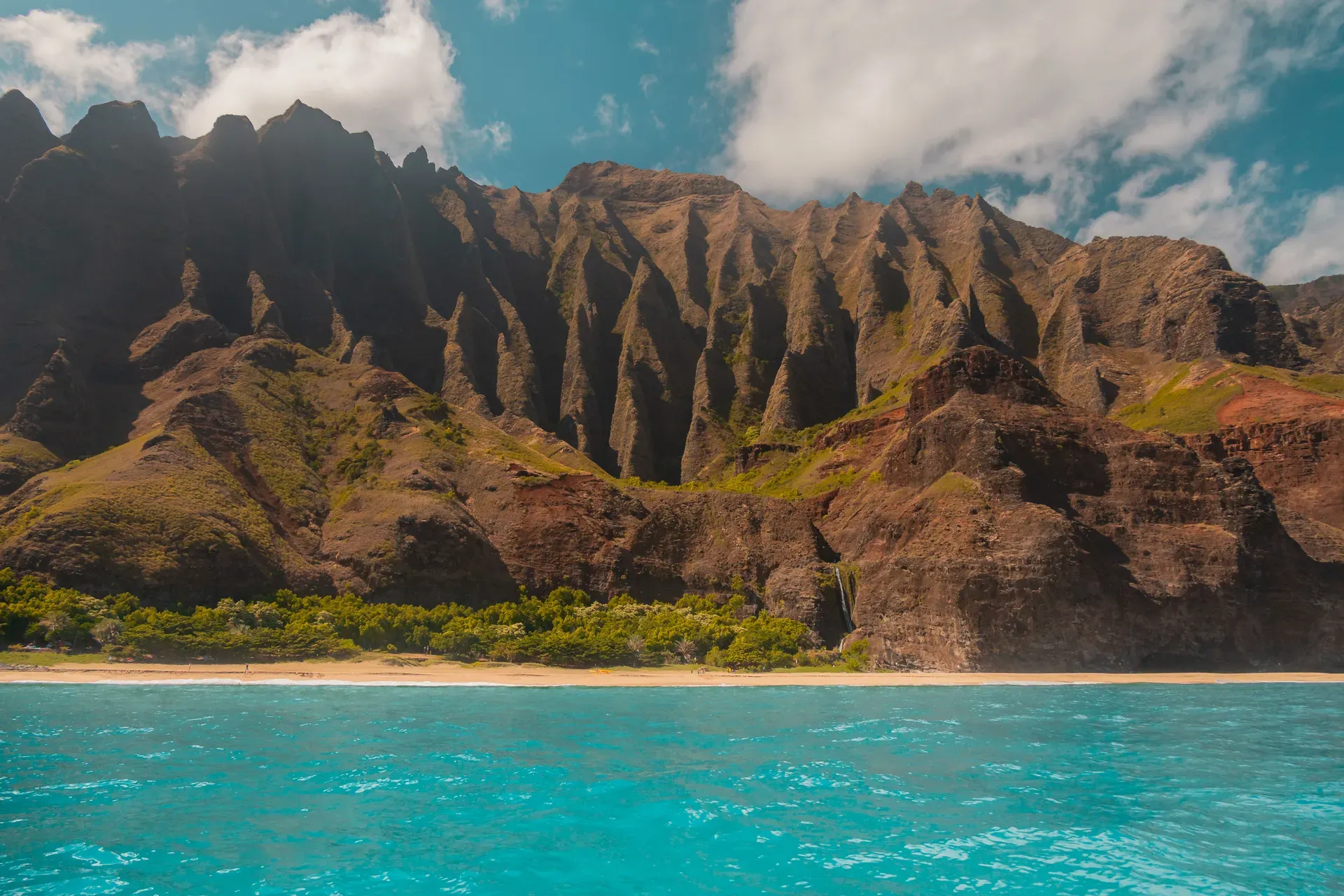
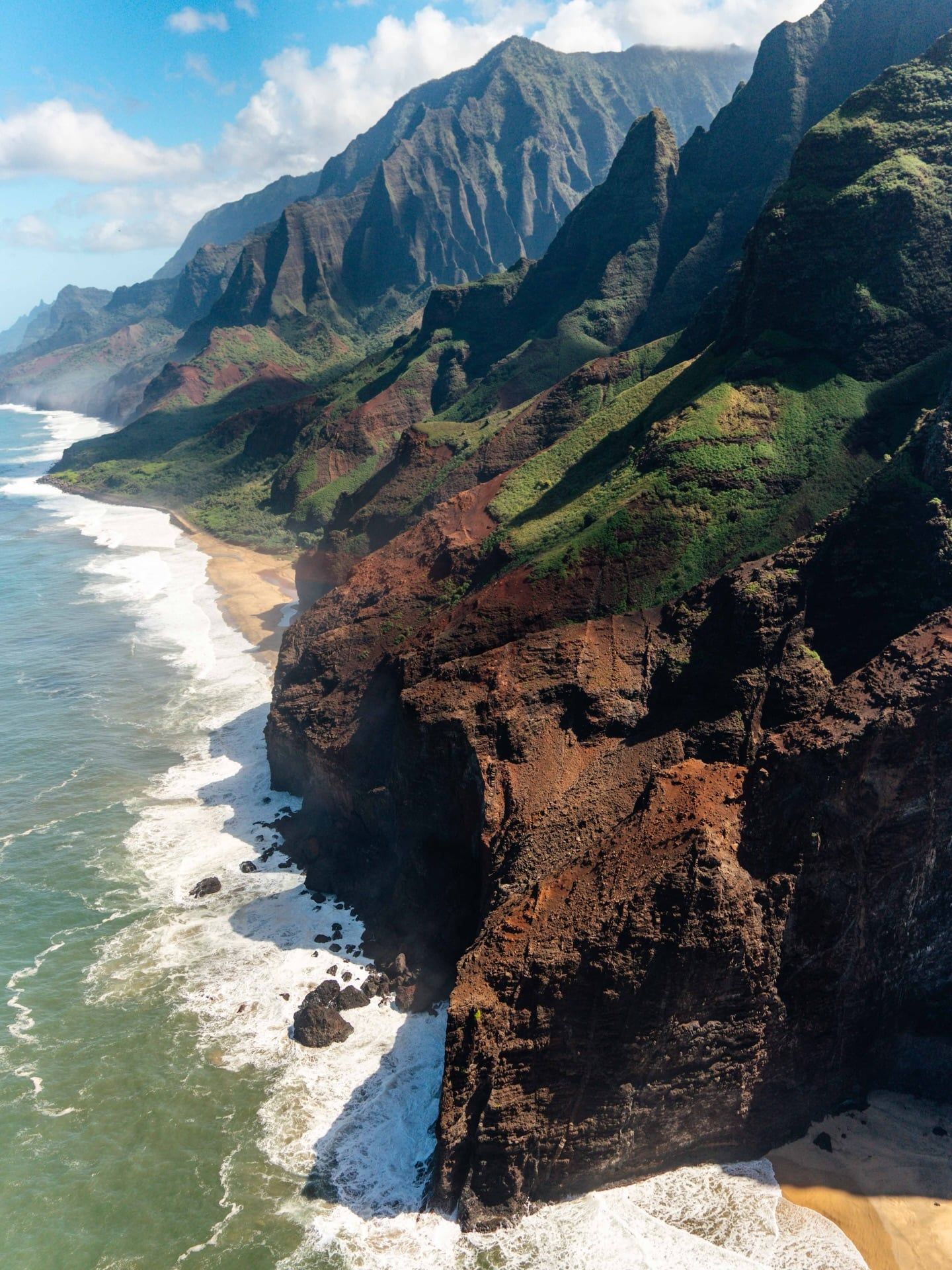
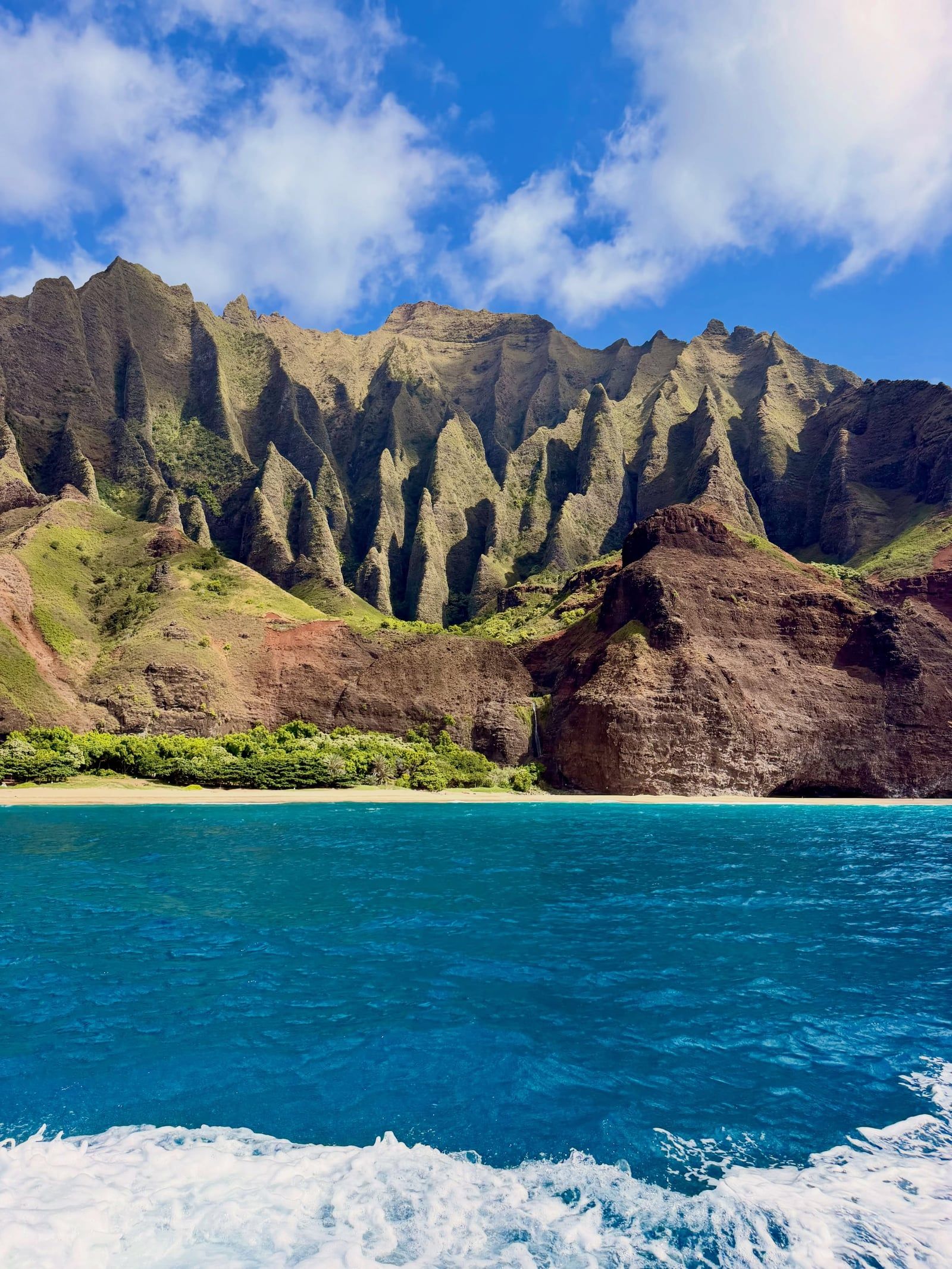
Stretching 17 miles along Kauaʻi's northwest shore, the roadless Na Pali Coast features towering emerald cliffs that rise 4,000 feet straight out of the Pacific Ocean. Visitors can access this rugged wilderness and its ancient stone-walled taro terraces exclusively by boat, helicopter, or the challenging 22-mile round-trip Kalalau Trail.
Find Guided ToursThe Na Pali Coast spans a rugged, 17-mile stretch along the northwest shore of Kauaʻi. Protected within the 3,578-acre Nāpali Coast State Wilderness Park, this roadless environment is defined by emerald basalt cliffs that rise up to 4,000 feet directly from the Pacific Ocean. Because no roads reach this coastline, visitors access the narrow valleys, sea caves, and beaches strictly by hiking, boat, or air. The park preserves fragile ecosystems across three distinct climate zones: desert, temperate rainforest, and tropical rainforest. These zones support unique endemic species, including the endangered Hawaiian goose and the vulnerable Hawaiian petrel.
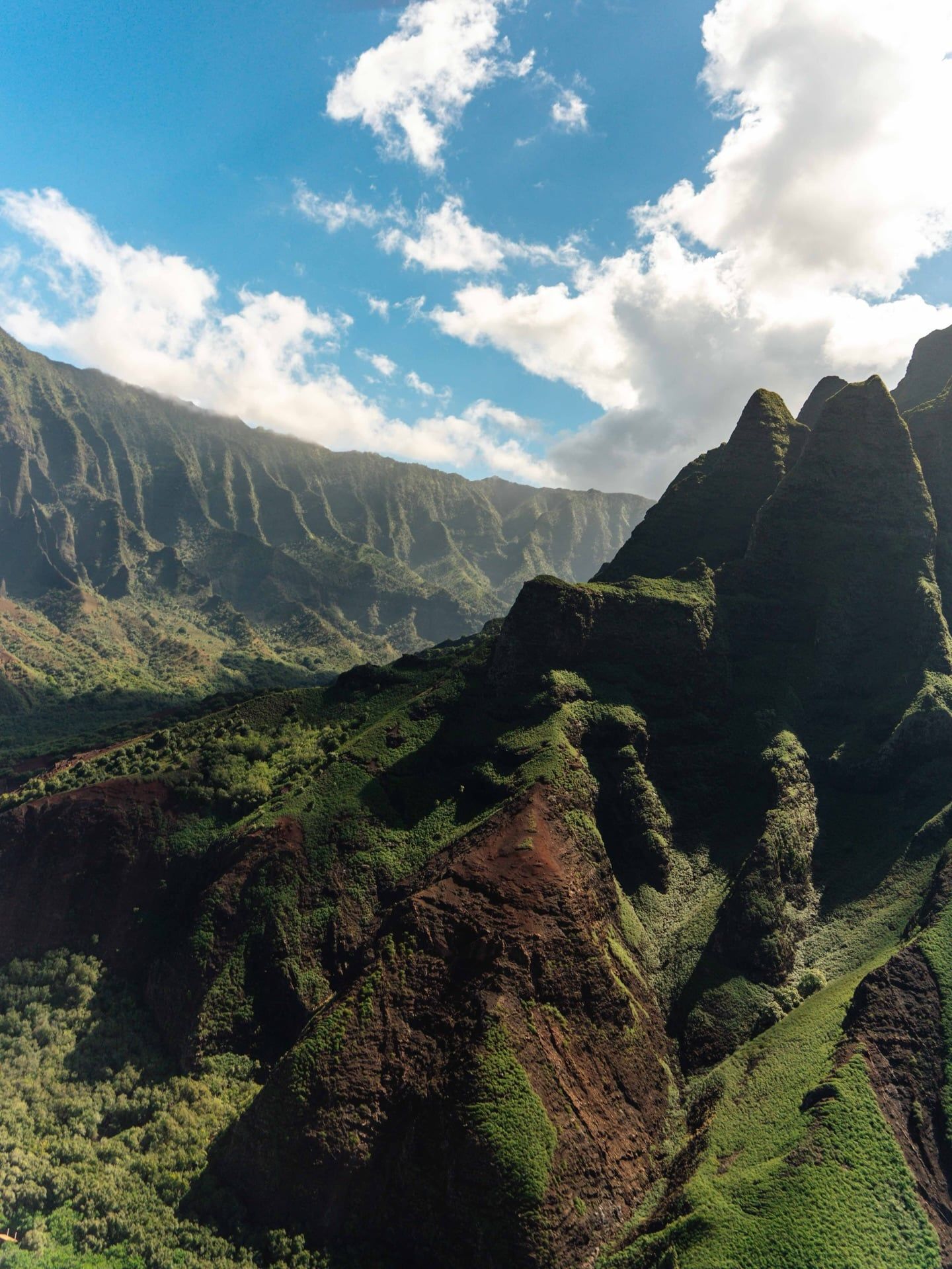
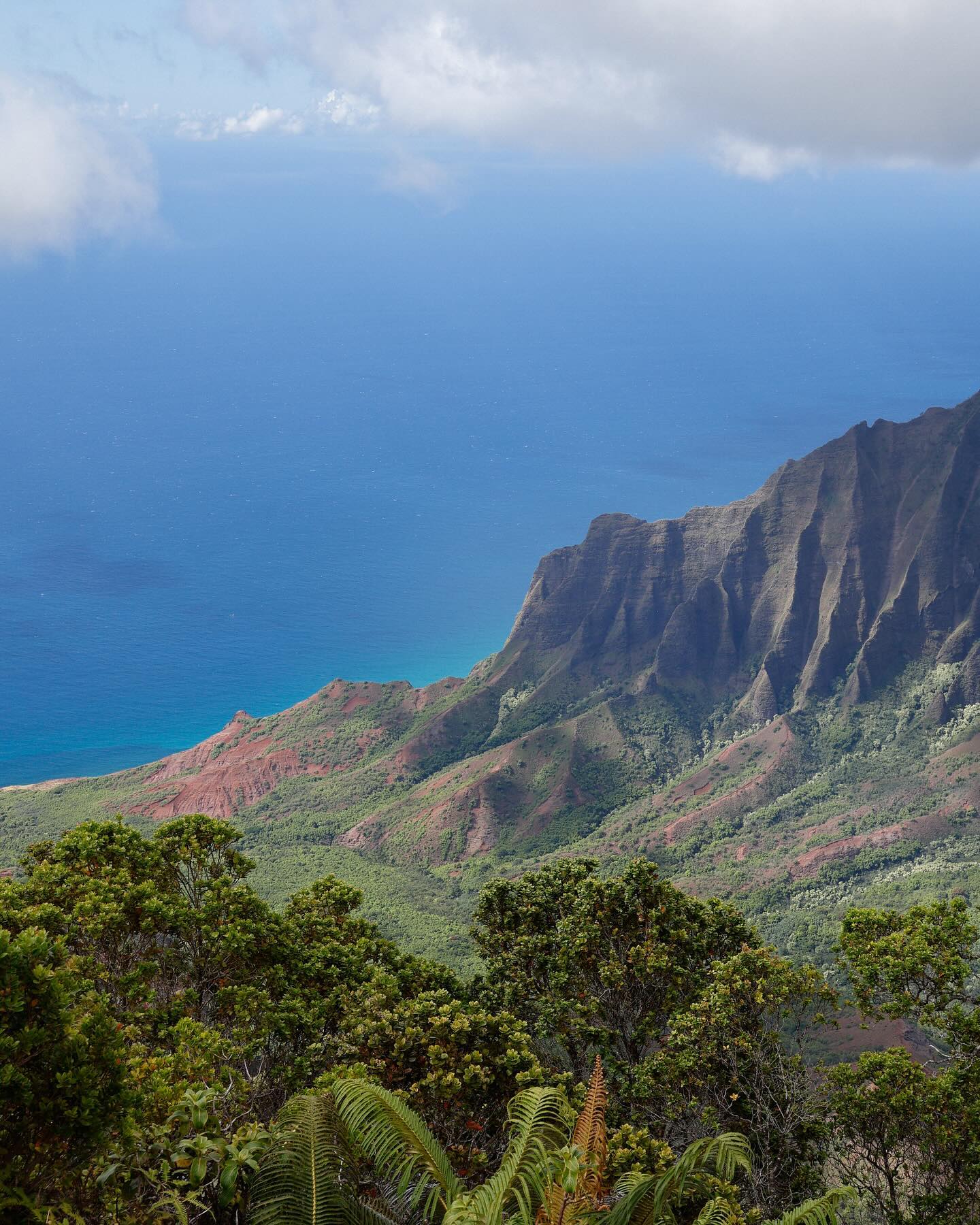
Geological forces shaped the coast starting five million years ago through volcanic eruptions and severe water erosion. Massive water flows from Mt. Waialeale, which receives up to 450 inches of rain annually, carved the deep valleys, streams, and waterfalls visible today. The landscape remains in a destructive geological phase. Tectonic activity is slowly sinking the island, and 70 percent of Kauaʻi's beaches are currently eroding.
Polynesian navigators first settled the region around 1200 AD, followed by Tahitian migrants who heavily influenced local culture. For centuries, the coast functioned as a natural fortress and a primary trade hub connecting Hanalei, Waimea, and Niʻihau. Self-sustaining Hawaiian communities thrived in areas like the Kalalau Valley and Nuʻalolo Kai. Today, visitors can still see the extensive stone-walled terraces where these early inhabitants cultivated taro.
The arrival of Captain Cook in 1778 marked a turning point for the native population, which was soon decimated by Western diseases. By the 1820s, missionaries like Hiram Bingham had arrived, and traditional practices such as hula were banned. This led to a steady population decline along the coast. The last native residents departed in the 20th century, prompting the eventual establishment of the state wilderness park to protect the Kalalau Valley and its archaeological sites.
Discover the full history and cultural significance on our About page.
Backpackers face a challenging 22-mile round-trip route featuring an 800-foot elevation gain. The path traverses wet gulches and narrow ridges before reaching remote Kalalau Beach. Hikers can secure permits for up to five nights to sleep under the towering 4,000-foot cliffs of this roadless wilderness.
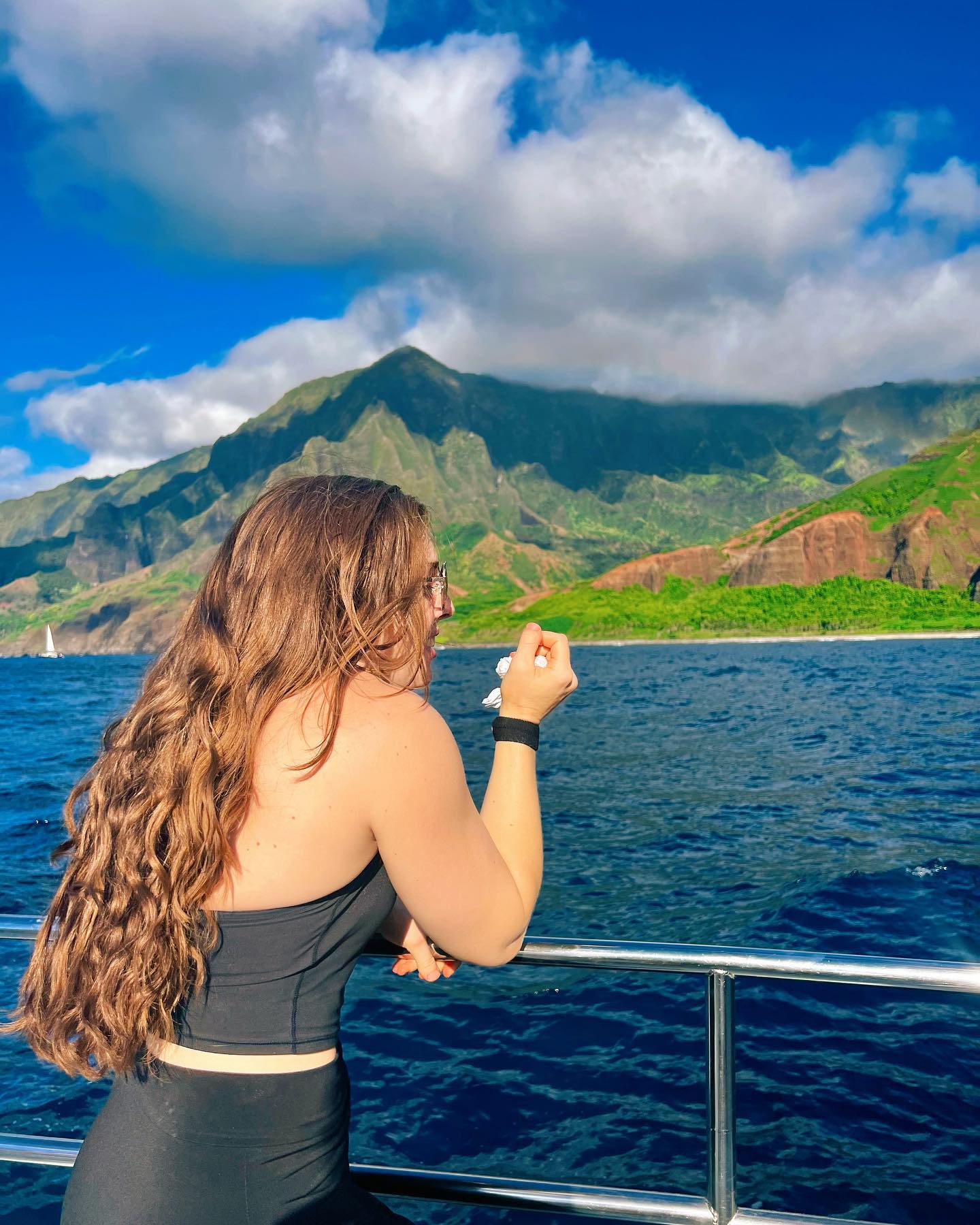
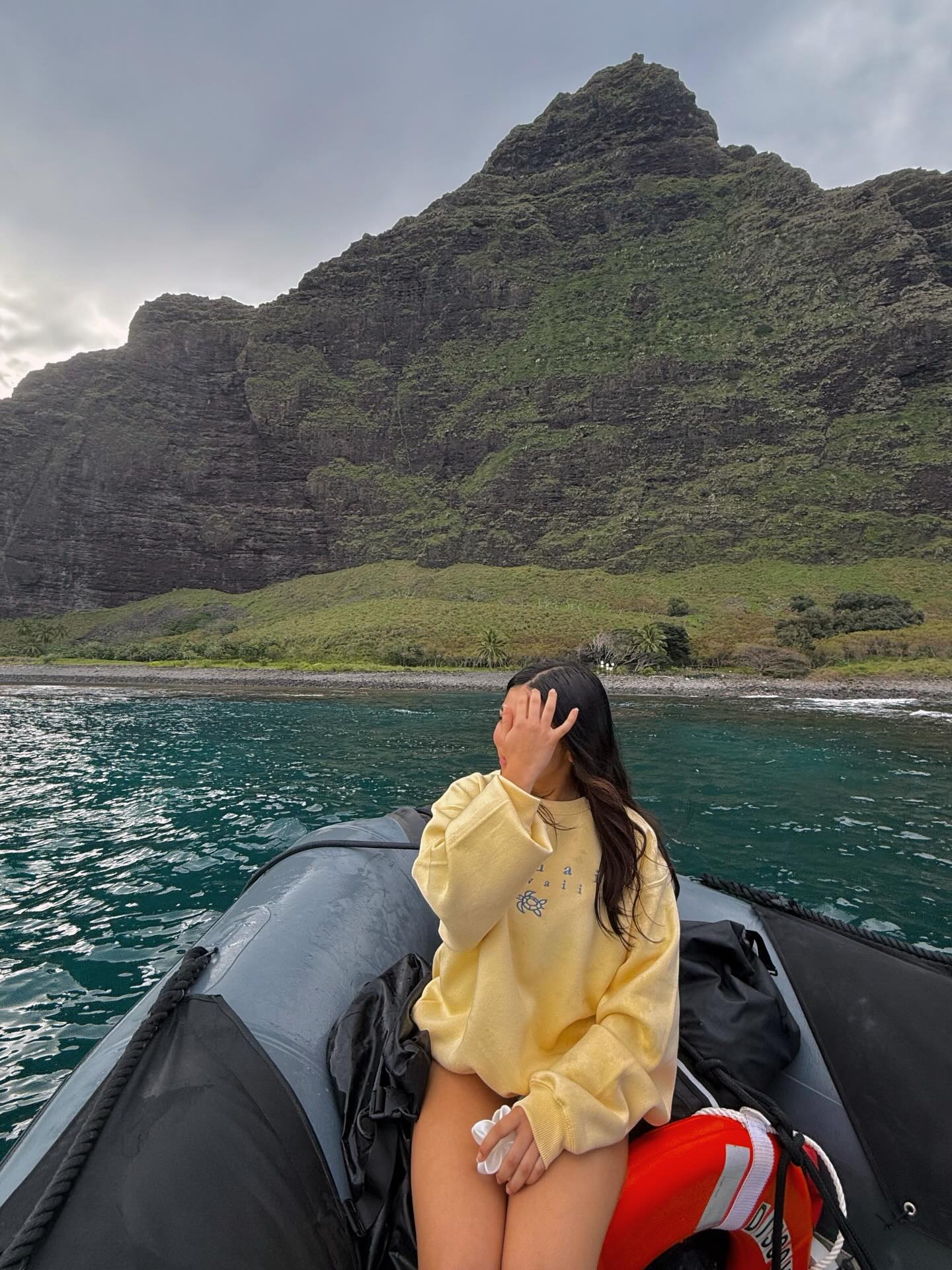
Navigating the 17-mile coastline by catamaran or boat provides direct access to deep sea caves carved by massive ocean waves. Passengers look straight up at 4,000-foot basalt cliffs rising from the Pacific. Snorkelers anchor in protected waters to swim alongside green sea turtles and tropical fish.
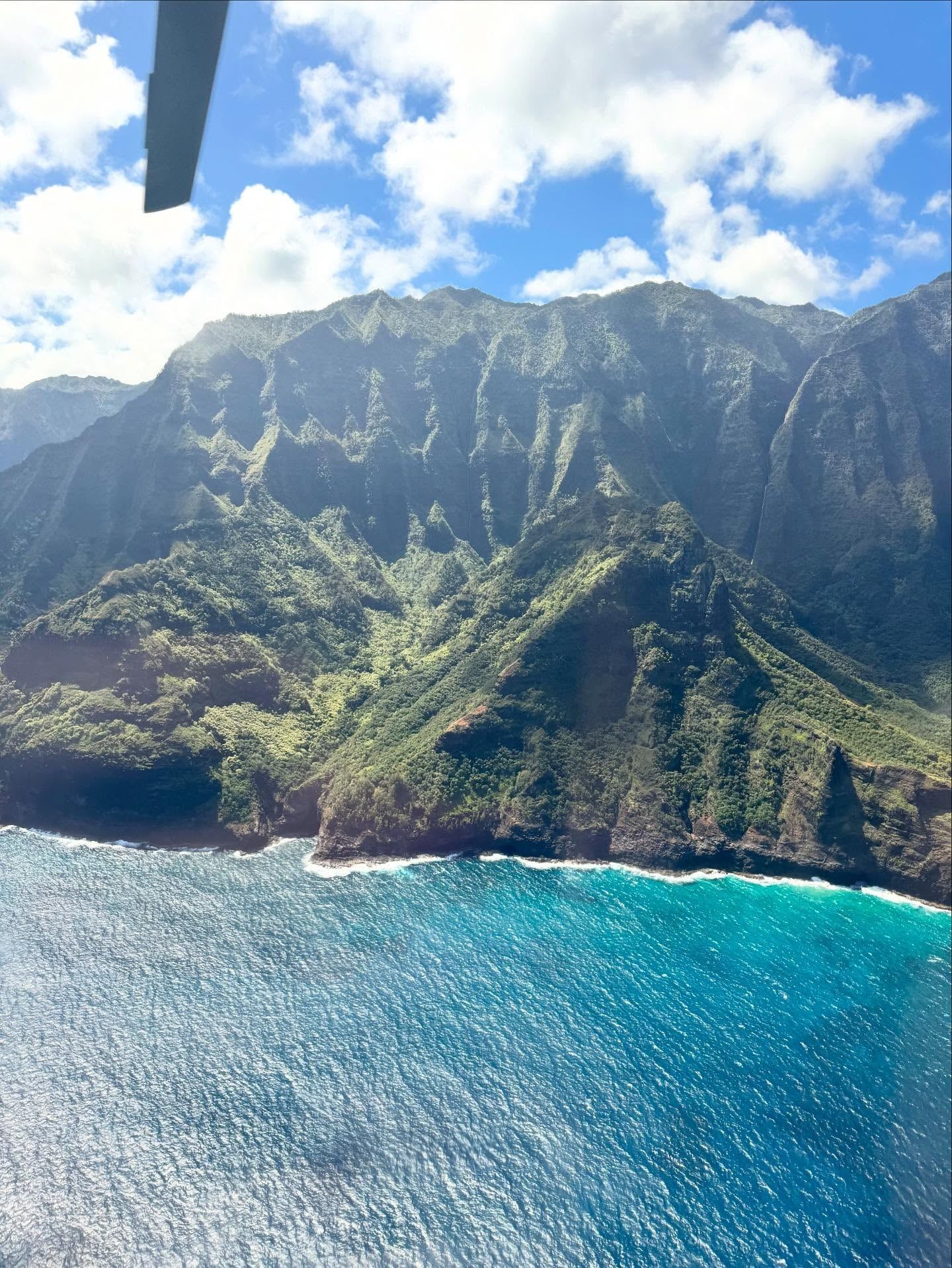
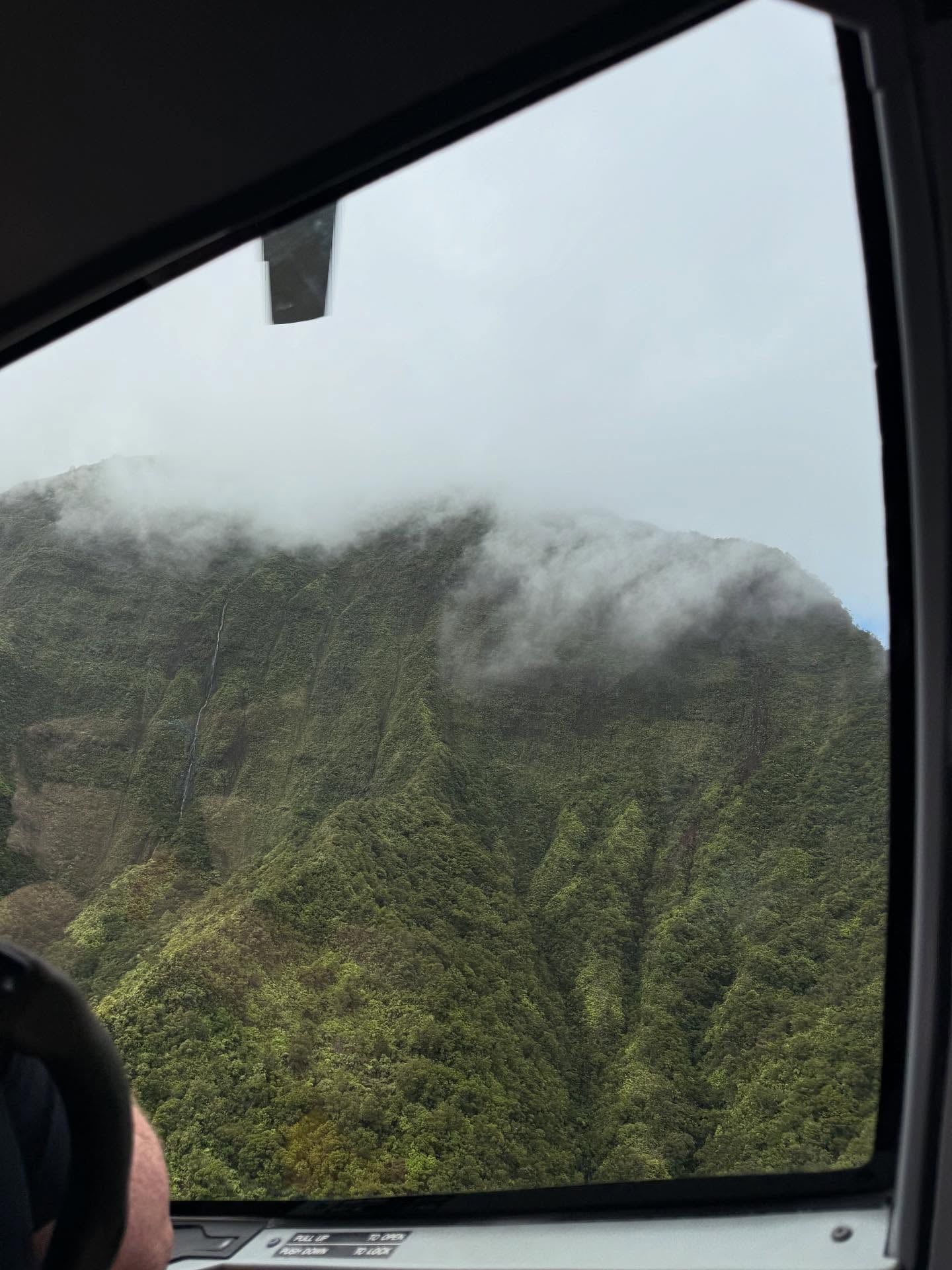
A one-hour doors-off helicopter flight grants unobstructed overhead views of the entire coastline and deep interior valleys. Passengers feel the wind while looking down at countless waterfalls cascading across steep green ridges. The aerial vantage point reveals rugged terrain completely inaccessible by land or sea.
The coast preserves extensive stone-walled terraces where self-sustaining Hawaiian communities cultivated taro starting around 1200 AD. Authorized boat landings bring visitors to historical archaeological sites in Nuʻalolo Kai and Kalalau Valley. These protected areas highlight the region's past as a major trade hub before Western contact.
Hand-picked tours with free cancellation and verified reviews
 Free Cancellation 1h 5min
  Free Cancellation 5h
  Free Cancellation 4h 30min
  Free Cancellation 5h 30min
  Free Cancellation 5h 30min
  Free Cancellation 5h
  Free Cancellation
  Free Cancellation 4h
 The ideal time to visit the Na Pali Coast is during the dry season from April to October, with peak conditions between June and August. During this window, calm ocean swells allow for safer boat access to sea caves and clearer skies for hiking.
March brings the tail end of the wet season with potential trail-closing flash floods. Conditions improve significantly in April and May as the dry season begins, offering calmer seas.
These are the prime months for visiting. The ocean swells are at their calmest, allowing boat tours to safely access sea caves and snorkeling spots under the clearest skies.
September and October remain in the dry season with temperatures in the mid-70s to low 80s. November marks the transition into the wet season, bringing heavier rainfall and rougher seas.
This is the wet winter season characterized by heavy rainfall and massive ocean swells. Rough seas make boat tours difficult, and flash flooding frequently closes the Kalalau Trail.
The Nāpali Coast State Wilderness Park operates daily from 7:00 am to 7:45 pm. Land access to the coast requires passing through Hāʻena State Park, which adjusts its schedule based on the season. Summer hours begin April 1st and run from 7:00 am to 7:45 pm. Winter hours start the day after Labor Day, shifting the closing time to 6:45 pm.
| Category | Price |
|---|---|
| Non-resident entry (per person) | $5 |
| Hawaii resident entry (with valid state ID) | Free |
| Children (3 and under) | Free |
| Non-resident parking (per vehicle) | $10 |
| Camping permit (Hawaii resident, per night) | $25 |
| Camping permit (Non-resident, per night) | $35 |
Advance reservations for park entry, parking, and shuttles are strictly required and must be secured at www.gohaena.com. A valid camping permit is mandatory for anyone hiking past Hanakāpīʻai Valley on the Kalalau Trail.
For complete schedules and ticket prices, visit our Hours & Fees page.
The Na Pali Coast is a roadless wilderness accessible exclusively by hiking, boat, or air. Land access begins at the Kalalau trailhead at Keʻe Beach, located at the western terminus of Kūhiō Highway.
📍 End of Kūhiō Highway (Route 560), Keʻe Beach, Kauaʻi
Drive west along Kūhiō Highway until the road ends at the Kalalau trailhead at Keʻe Beach. This route covers 17 miles from Princeville. Parking at Hāʻena State Park fills up extremely fast. Visitors are highly encouraged to reserve a spot on the park shuttle or arrange a private drop-off. Non-resident vehicles require advance reservations.
Navigating the coast by boat allows visitors to see dramatic sea caves and 4,000-foot cliffs rising directly from the ocean. Tours often depart from Port Allen, which involves navigating about an hour of open, rough ocean each way. Options range from spacious catamarans to small cruise ships. Commercial drop-offs at Kalalau are strictly prohibited.
Flying over the rugged coastline provides unobstructed views of the entire 17-mile stretch and its deep interior valleys. Doors-off flights allow passengers to see hidden waterfalls cascading down the dramatic green ridges. This aerial route remains the only way to view the most remote, inaccessible sections of the protected wilderness park.
For detailed transport options and routes, visit our Directions page.
Book your boat or helicopter tour for the first few days of your vacation. Ocean conditions and weather frequently force operators to cancel trips. Scheduling early provides a buffer window to rebook your flight or sail before you leave the island.
Boat tours departing from Port Allen require navigating roughly an hour of open, choppy water each way. Take Dramamine or apply a prescription scopolamine patch before boarding. This simple step prevents severe seasickness from ruining your five-hour catamaran or raft trip.
The Kalalau Trail features slick, muddy, and rocky terrain that frequently causes ankle injuries. Leave the flip-flops and Tevas at your hotel. Instead, wear sturdy, closed-toe hiking shoes with deep traction to safely navigate the trails and steep 800-foot elevation gains.
The wilderness park lacks treated drinking water and trash service. Hikers must carry at least two liters of water per person. If you need to refill from freshwater streams, always use a filter, purification tablets, or boil the water to avoid leptospirosis.
Heavy sea spray and sudden waves are common on boat and kayak tours. Pack a high-quality dry bag to shield your electronics from water damage. Additionally, wear a rash guard, wide-brimmed hat, and reef-safe sunscreen to block intense UV reflection off the ocean.
You must reserve parking and entry at gohaena.com before arriving at Hāʻena State Park. Non-resident parking costs $10 per vehicle. Hiking past Hanakāpīʻai Valley requires a separate wilderness camping permit. This permit costs $35 per night for non-residents and $25 for residents.
This park acts as the scenic gateway to the Kalalau Trail and the broader Na Pali Coast. Visitors can view restored taro fields, swim at Keʻe Beach, and use convenient facilities like outdoor showers.
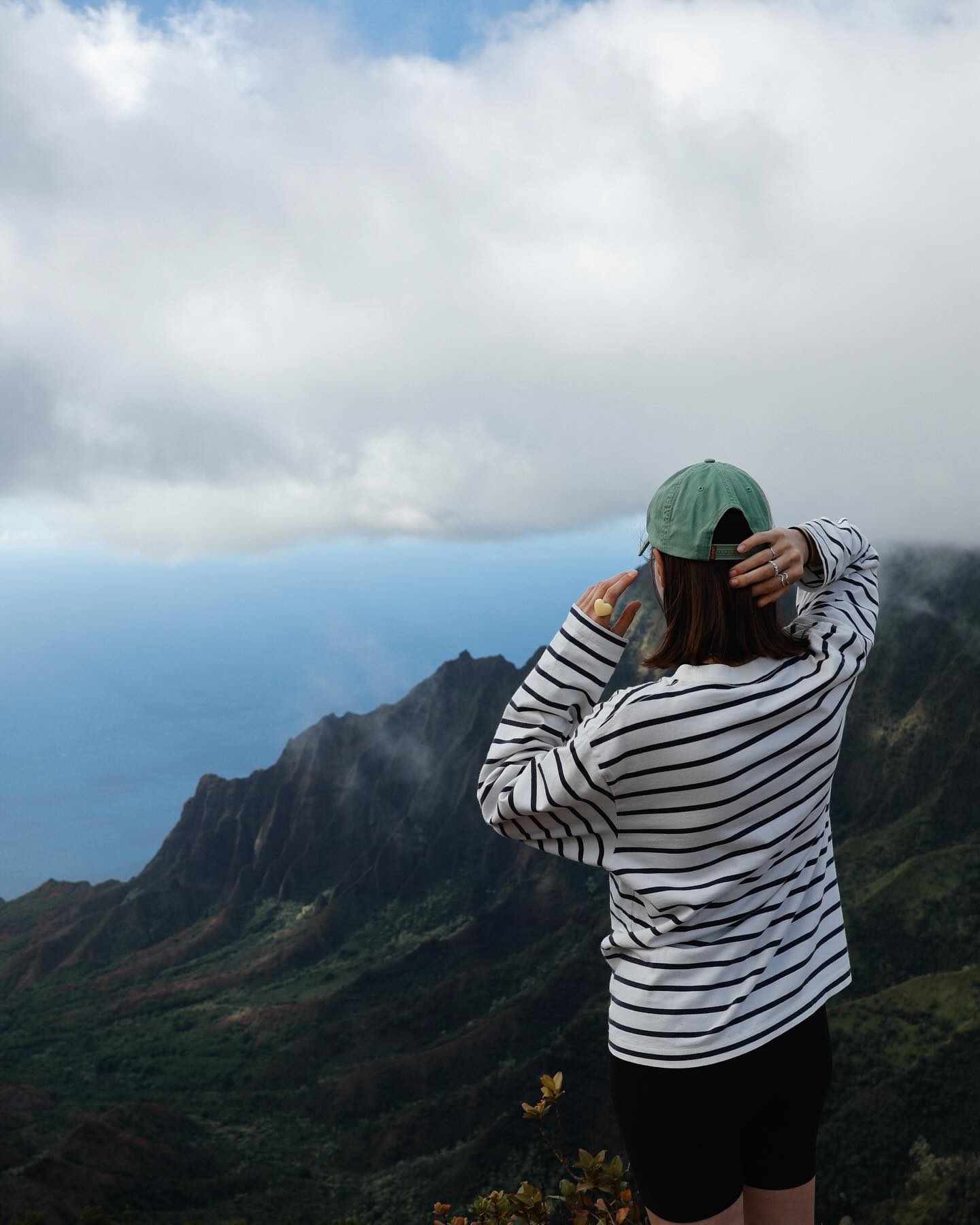
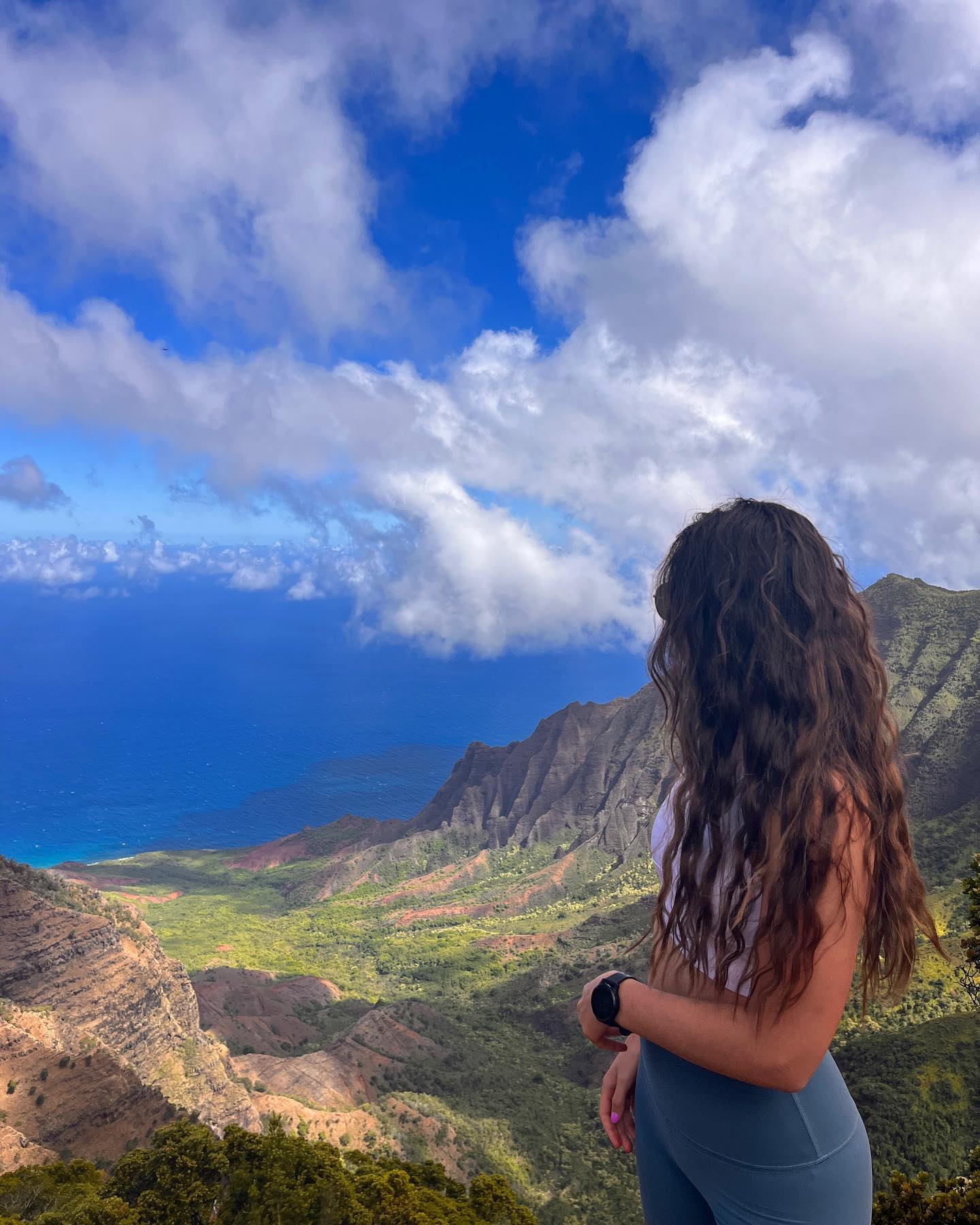
Known as the Grand Canyon of the Pacific, this massive geological feature contains deep red and green gorges. Driving along Kōkeʻe Road provides access to lookouts with incredible views down into the coastal valleys.
Located at the end of the road on the southwest side, this beach marks the beginning of the coast. Reaching it requires navigating a bumpy, sandy road, but it provides spectacular sunset views over the ocean.
Read what travelers share about their experience visiting Na Pali Coast — from practical tips to personal highlights.
Entry to Hāʻena State Park, the land gateway to the Na Pali Coast, is $5 per person for non-residents and free for Hawaii residents. Non-residents must also pay a $10 vehicle parking fee and secure advance reservations at www.gohaena.com.
The dry summer season from April to October offers the best conditions for visiting, with June through August having the calmest ocean swells. Avoid the wet winter months from November to March, when heavy rainfall and large swells often cause rough seas and flash floods.
You can drive west along Kūhiō Highway from Princeville for 17 miles until the road ends at the Kalalau trailhead at Keʻe Beach. Since parking fills up extremely fast, visitors should reserve a spot on the Hāʻena State Park shuttle or arrange a private drop-off in advance.
Yes, a valid camping permit is required for anyone hiking more than two miles past Hanakāpīʻai Valley. These permits cost $25 per night for Hawaii residents and $35 per night for non-residents, allowing a maximum stay of five nights.
Hikers need sturdy, closed-toe shoes with good traction and at least two liters of water per person, as there is no drinking water available in the park. Boat tour passengers should bring a high-quality dry bag for electronics, reef-safe sunscreen, and a wide-brimmed hat to protect against intense sun reflection.
Land trails lack paved paths or formal wheelchair access due to the rugged terrain. Active seniors with good mobility can view the 4,000-foot cliffs by booking a spacious catamaran boat tour, which features wide staircases for easier water access.
The Nāpali Coast State Wilderness Park is open daily from 7:00am to 7:45pm. Hāʻena State Park shares the 7:00am opening time, but closes at 7:45pm during the summer and 6:45pm in the winter.
Boat tour prices start around $150 per person and can reach up to $400 per person for premium tours on small cruise ships. Keep in mind that commercial boats are strictly prohibited from dropping off or picking up passengers at the Kalalau or Miloliʻi camping areas.
Browse verified tours with free cancellation and instant confirmation.
Find Tours